What’s up guys, Dr. Shepard here, and today we are going to talk about 20 of the most common and maybe a little bit surprising physical symptoms of anxiety. I’m a psychiatrist and psychotherapist, and unfortunately, I’ve also suffered from anxiety too, so I am very well acquainted with some of these physical symptoms.
Nervous System Balance and Fight-or-Flight
These two sides of our nervous system are typically very delicately balanced. In anxiety disorders though, we see an overactivation or an increase in our sympathetic nervous system. This is also called the fight-or-flight nervous system, so essentially, when you have an anxiety disorder, your nervous system behaves like you have just encountered a bear, but all the time. And if you were encountering a bear, that would be great; we would want to have our fight-or-flight nervous system activated, and we wouldn’t want to be wasting time on our parasympathetic rest and digest response, but again, if it’s happening constantly, that’s a problem.
Causes of Headaches in Anxiety
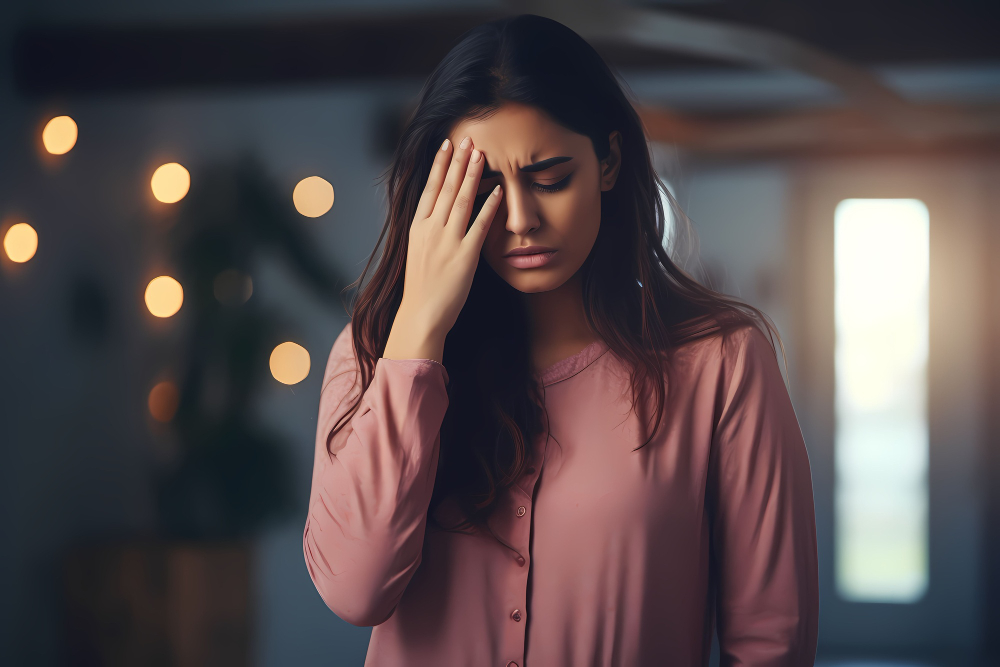
Physical symptom of anxiety number three: headaches. There are a whole bunch of possible reasons why we develop headaches when we’re anxious or stressed. First of all, our bodies release certain chemicals and stress hormones that change the way our blood vessels carry blood to our head. Like I mentioned before, people with anxiety also tend to have tension in their neck and their back, and that can certainly contribute to headaches too. Things like clenching your teeth, not hydrating well, not sleeping well, not getting enough exercise, of course, all of those things can contribute to headaches, and they are much more likely to be seen in someone who is feeling really stressed and anxious and just isn’t able to care for themselves like they normally would.
Hyperventilation and Its Effects
So in order to meet those potential future demands, we start taking shorter and more shallow breaths, so we start breathing really quickly, hyperventilating. Of course, that can be a vicious cycle because then you feel like you’re breathing faster, “Oh my goodness, I have to breathe even faster,” and not getting deep enough breaths, and your brain meanwhile is telling you, “You got to get more oxygen in,” and it can make you feel really, really short of breath and even more stressed.
Chest Pain and panic
Chest pain is a legit scary disorder of anxiety, and it can be really intense. It is not at all abnormal for people who are having panic attacks or torture from just bitter anxiety to end up in the emergency room with chest pain because they think they’re having a heart attack. It can be really bitter and really awkward, and of course, it’s one of those disorder that you want to take seriously.
Getting Checked for Chest Pain
You want to make sure that you’ve had a doctor check you out, that you get the all-clear if this is something you’re experiencing, just like with all the other symptoms. But it is possible to have chest pain and chest tightness just from anxiety, and this can be from a couple of different things. But first of all, like we mentioned earlier, there’s a lot of extra muscle tension when you’re anxious, and your chest is no exception to that, so you might feel tightness in your chest just from your chest muscles being tense.
Heartbeat and Breathing Changes
We also tend to have a faster and more intense heartbeat. We tend to breathe more quickly, and all of those things can create physical sensations in our body that are uncomfortable, and if we’re very anxious and paying a lot of attention to them, they can become downright painful. As I mentioned earlier, we also kind of shut down the parasympathetic nervous system, and that affects our digestion.
Digestive Issues and Chest Sensations
Issues with digestion like heartburn or problems with your esophagus and the way the esophagus moves, all of that stuff can also contribute to a feeling of chest tightness and chest pain, and people with anxiety are more likely to have digestive issues and more likely to have problems with the movement of their esophagus.
Memory Problems and Confusion
Physical symptom number seven: memory problems and confusion. Memory problems, confusion, this actually makes a lot of sense if you think about it. I mean, if you are a parent or just have a day where you’re super duper busy and you have a lot of demands coming at you all at once, you start to feel really scatterbrain, right, and it’s hard to listen to the kids yelling at you about this thing, pay attention to this bill that you just got in the mail, your phone’s going off, you have this deadline at work, you get stressed and you can’t pay attention to everything at once.
Effects on Attention and Memory
That’s a lot of pressure, and it causes you to feel really easily distracted. When you’re distracted and stressed and constantly on the lookout like that, you are going to forget things, you’re going to have trouble taking in and retaining new information and trouble recalling it when you need to recall it.
Serious Memory Issues
So all of this can add up to make for some serious memory problems and significant confusion. It’s also not uncommon for me to see people who think they’re developing Alzheimer’s disease or some other form of dementia because the memory problems can be that bad.
Quick and shifting pulse
Physical index number eight: quick pulse, irregular pulse, or quick, shifting, or misery heartbeat, just feeling like your heart is pounding. So again, we alluded to this a little bit earlier, but when we are anxious and our sympathetic nervous system is going into overdrive, it tells our heart to pump blood rapid and pump it.
Chest Flutters emotion
Some people also feel funny flutters in their chest when they’re really anxious. I kind of think of it like feeling a fish flopping around in your chest, kind of a gross idea but it definitely feels like that.
Importance of Medical Checkup
Again, this is one of those things like chest pain, you don’t want to mess around with heart stuff, so it’s really important that your doctor checks this out, make sure that it’s not due to something else because heart problems can cause these symptoms too.
Blood Flow and Digestion
Our brains tell our bodies, “Hey, time to run, time to fight, we’re not eating right now, we can’t do this right now.” So our brain starts to shunt blood away from our digestive system and focuses it into our muscles, our lungs, our heart, the things that we need to fight or flight.
Effects of Blood Flow on GI Tract
When we have this decreased blood flow to our digestive system, our digestive system starts to slow down, and that can cause some GI discomfort, GI problems like nausea, like vomiting, like heartburn, all of that and just general discomfort.
Anxiety and Risk for GI Problems
Like I mentioned earlier, anxiety also puts us at higher risk for certain problems with our esophagus and with our stomachs. Obviously, those things can also contribute to GI issues.
Diarrhea and Digestion Changes
Number 10: diarrhea. Diarrhea gets its own special category, not because it’s necessarily all that special to me. I separated it from the other GI issues that we just talked about because the mechanism is a little bit different and it seems a little bit weird.
Large Intestine Exception
You would think if our parasympathetic nervous system is taking a step back and our digestion is slower, why are we pooping more? You would think, well, you just wouldn’t poop, right? Like you don’t want to be running away from a bear and pooping all over the place, not ideal.
Explanation for Increased Pooping
Um, but we kind of do, and the reason for this is because the large intestine or the colon is the exception to the rule that digestion slows down.
The release of these certain stress hormones and our sympathetic nervous system activation tells our large intestine, “Hey, you might need to run away, we need you to be light, fast, quick on your feet, how about you go ahead and get rid of everything you’ve been carrying around with you so that we don’t have to drag it along with us.”
Brain’s Response and Modern Problems
Our brains are basically like, “You’re probably not going to need this poop in a fight, so how about you leave it here, leave it at home, and then run.” I guess it just didn’t take into account the modern problem of, like, I don’t know, cleanliness, can’t just, like, poop behind a bush and run.
Anxiety and IBS Risk
Anyways, so you poop when you’re anxious, and aside from that, people with anxiety are also at higher risk of things that make you go poop, uh, illnesses that make you poop, so things like IBS, irritable bowel syndrome, for example.
Postpartum Shaking
If you have had a baby before, think back to after you gave birth; you were probably very shaky and maybe you were a little bit cold, I don’t know, but that’s not the main reason we shake like that.
Adrenaline and Muscle Energy
Because of this incredible release of adrenaline along with other stress hormones, this adrenaline tells our muscles, “Hey, we’re getting ready for a fight, like something big is going down.”
And all of this extra energy gets pushed to our muscles and kind of comes out in the form of shaking and tremors.
Wet and cold Changes
Physical symptoms of anxiety number 12: sweating, sweating, flushing, changes in temperature, flushing, changes in temperature like hot flashes and cold chills.
Again, we’re taking ready for a fight, so there are running to be changes in blood flow that gain blood flow to certain areas of the body that source us to feel hotter, to maybe start to flush, to start to overheat and sweat, and then once we get overheated like that, our brain says, “Woah, things are taking too hot, we need to wet it down, let’s start sweating a little bit.”
Urge to Pee
Physical symptom number 13: urge to pee.Sometimes when people are really startled, really scared, they can even completely lose bladder control because of this reaction.
Tingling and Numbness Explained
These changes in pH then lead to changes in certain electrolytes like calcium and potassium and changes in the way our blood vessels are functioning. As we mentioned earlier, there are also changes in the way that our blood vessels function just because of the stress hormones. So all of these changes can come together to constrict the blood vessels that lead to your extremities, like your fingers, your toes, your lips, and that can reduce the blood flow that they’re getting, causing them to feel cold or clammy or tingly or even numb, and of course that freaks you out even more. You hyperventilate more, and they get even more tingly and numb. It’s kind of the case with a lot of this stuff; it’s really a vicious cycle sometimes.